Clean The Ballpit Speedrun Tips
Routes, roles, and upgrades for cleaner leaderboard times.
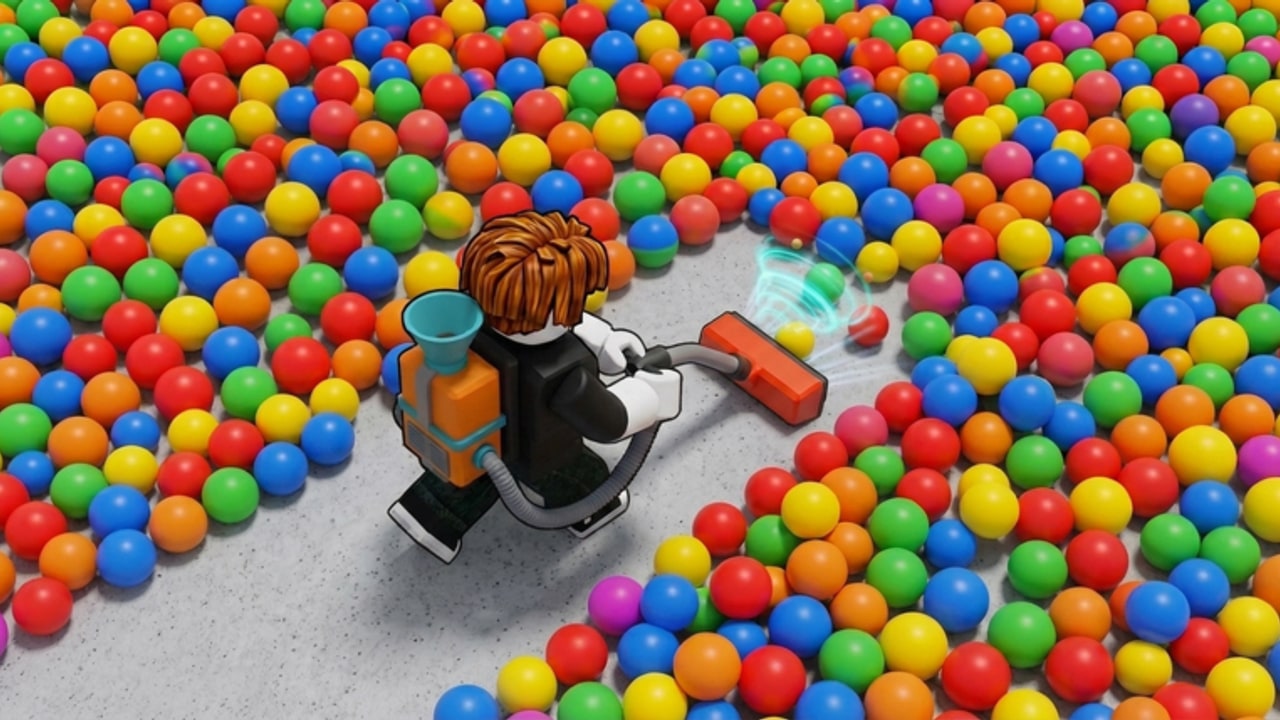
Clean The Ballpit! advertises speedrun energy and leaderboards on top of its co-op cleaning fantasy. Climbing those boards is less about frantic clicking and more about route planning, upgrade discipline, and role clarity when up to six players share a map. This guide builds a leaderboard mindset, explains how to plan routes across The House through The Starlight Cruise, assigns co-op roles that actually save seconds, and prioritizes upgrades for time rather than flex. Study map structure in the Maps Walkthrough, compare gear on the Tier List, and coordinate with friends via the Players hub mindset of finding teammates who want the same goals.
Leaderboard mindset
Treat every attempt as a lab experiment. Change one variable at a time: route order, pet choice, or who shops. Record approximate segment times—first room, mid-map, cleanup—even if the game does not show fancy splits yet. Celebrate process goals (cleaner aisle discipline, fewer duplicate clears) alongside rank goals. Leaderboards punish ego shopping; they reward boring consistency.
Also accept that early-season boards will melt as tools, pets, and player skill rise. A top time this week may be average after the next map drop. Chase personal bests first, ranks second.
Pre-run checklist
- Confirm auto-save captured your latest tool and pet loadout.
- Equip the time-oriented kit from your notes—not the cosmetic flex set.
- Agree on roles in chat before the first ball is touched.
- Decide whether this run is a scout (learning) or a push (going for time).
- Warm up thirty seconds of strafing picks so sensitivity feels right.
Skipping the checklist causes the classic fail: three people mid-run opening the shop because nobody bought upgrades beforehand.
Route planning across maps
The House
Route large open rooms → hallways → bedrooms → under-furniture leftovers. Never start under the couch. Segment the house into wings and finish a wing before peeking elsewhere so you do not leave silent stragglers.
BloxMart
Snake aisles in a written order (left wall → center → right wall → registers). Endcap balls are mid-priority; register clusters are endgame for the segment. Lane discipline is free speed.
The Fun Fair
Clear the central path spine, then booth rings in clockwise or counterclockwise order—pick one and keep it. Landmark callouts beat compass calls when stalls look similar.
The Beach Boardwalk
Full spine first, spurs second. A runner who peels early for every spur ball destroys pace. Assign spur duty explicitly.
Bloxton Museum
Wing integrity matters. Finish east gallery before west. Doorway congestion is a time loss equal to a bad upgrade—keep shop UI off the critical path.
The Starlight Cruise
Alternate deck sweeps and cabin sweeps in a fixed pattern so nobody “just checks one more cabin” out of order. Decks pay bulk; cabins pay completion. Leaderboard clears need both on a schedule.
For thematic detail and release timing context, keep the walkthrough handy and glance at schedule notes when a venue is brand new to your squad.
Co-op roles that save time
Anchor — Clears the highest-density open space and sets pace. Edge — Owns walls, railings, under-prop hunts. Flex — Fills whichever segment falls behind; never invents a fourth plan mid-run. Shop captain (can double as Flex) — Buys breakpoints between segments only.
In a two-stack, merge Anchor+Shop and Edge+Flex. In a six-stack, split maps into geographic ownership and forbid altruistic double-cleaning unless Flex calls a bailout. Mute unnecessary memes during push attempts; save the mailbox jokes for scout runs.
Public lobbies are hostile to tight speedruns. Use private servers or a pre-made listed on community spaces tied to the Players page philosophy: teammates who want times, not only vibes.
Upgrade priority for time
Spend for seconds, not spectacle:
- Grab speed on open floors.
- Reach for leftover hunts that otherwise force crouch-camera fights.
- Capacity when deposit walks are long.
- Pet assists that collect while you rotate.
- Sweep or organize systems that shorten cleanup segments.
Delay pure cosmetics until your route is stable. If two upgrades cost similarly, pick the one that helps your slowest segment. Cruise cabin times often scream for reach; boardwalk spine times scream for speed and lateral coverage. Re-read Tools and Pets when unsure, and sanity-check against Tools and Pets provisional ranks.
Segment theory
Break each map into three beats: open, structured, cleanup. Open should be greedy. Structured should be ordered. Cleanup should be ruthless about ignoring already-cleared landmarks. Most failed runs bleed time in cleanup because players wander without a checklist. Use the Map Checklist as a mental model even if you are not reading it mid-run.
Reset discipline
Know when to reset. If the first segment is already twenty percent slower than your best because of a botched shop or a missing player, reset. Practicing bad pace engrains bad pace. Scout runs are allowed to continue for learning; push runs should be honest about dead attempts.
After a successful personal best, sit still for a few seconds, confirm auto-save, and jot what changed. Then take a short break—fatigue creates phantom balls and double routes.
Solo speedruns versus group boards
If leaderboards distinguish modes, practice both. Solo teaches camera and shop cadence. Group teaches communication. Do not assume a six-player strategy ports to solo; you will need more reach and stricter personal routes when pets cannot cover every spur.
Mental calls library
Keep calls short: “spine done,” “aisle three,” “cabin port,” “shopping,” “flex to museum west.” Long sentences cost seconds and attention. Agree on landmark names before the session using the walkthrough’s theme vocabulary.
Common speedrun mistakes
- Shopping mid-pile in a doorway.
- Three Anchors, zero Edge players.
- Chasing one lost ball across the map during cleanup.
- Equipping a pet that helped House interiors on a boardwalk spine run.
- Comparing your time to a different map’s board.
- Ignoring new map drops until your old route is “perfect”—the meta moves when venues open.
Practice plan for one week
Day 1–2: Solo route House and BloxMart; note segment feels. Day 3: Duo roles on Fun Fair and Boardwalk. Day 4: Museum wing splits. Day 5: Cruise pattern work. Day 6: Full push night on your strongest map. Day 7: Review notes, adjust upgrades, check Tier List shifts.
After the run
Share constructive notes with your squad, not blame. Update your personal loadout log. Skim updates in case a patch changed tool feel. Then queue another scout or stop for the night while your best segment still feels crisp.
Speedrunning Clean The Ballpit is the same satisfying cleaning loop with a stopwatch floating over it. Plan the route, assign the roles, buy for time, and let the colorful chaos turn into a repeatable performance.
Frequently Asked Questions
Quick answers for Clean The Ballpit players.
What matters more for leaderboards, tools or routes?
Both, but a clean route with disciplined roles often beats a stronger kit used chaotically. Upgrade for your slowest segment after the route is stable.
How many players are best for a speed clear?
Up to six can play, yet three to four with clear roles often outpace a disorganized full lobby. Use private servers for push attempts.
Should I reset a bad start?
On push runs, yes—if the opening segment is far behind your best. On scout runs, continue to learn leftover spawns and callouts.
Which upgrades save the most time?
Grab speed for open space, reach for leftovers, capacity for long deposit walks, then pets and sweep systems that cut downtime.
Where do I learn map order?
Use the Maps Walkthrough for structure and the Map Checklist tool page for per-venue task lists before you memorize routes.