Clean The Ballpit Tools and Pets Progression
From slow hands to assisted cleaning power.
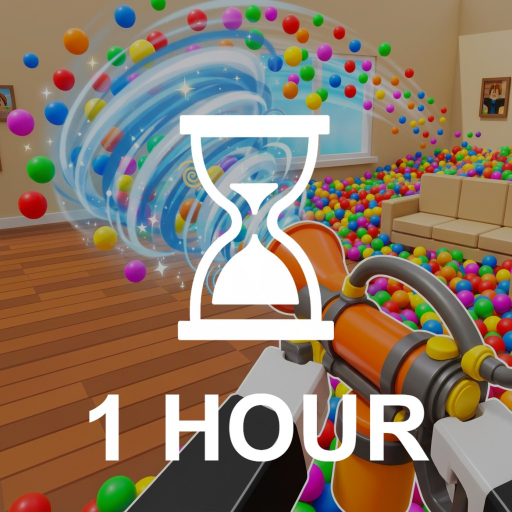
Clean The Ballpit! sells a simple fantasy: your first minutes feel slow because you are basically grabbing colorful plastic balls by hand, and every unlock turns that chore into a smoother machine. Tools improve what your avatar can reach and how fast you collect. Pets add assist value so you are never cleaning entirely alone. Later systems lean into sweep and organize fantasy—clearing floors in broader strokes and putting spaces back in order. This guide explains that progression order, how to spend early currency, and where to look when the meta is still young. Pair it with Getting Started, then compare options on the Tools Tier List and Pets Tier List.
Progression overview
Think in four layers:
- Basic grab — default or near-default picking. High effort, low coverage.
- Better tools — upgrades that add speed, reach, capacity, or magnet-like pickup quality.
- Pets assist — companions that collect nearby balls, boost rates, or reduce dead time between piles.
- Sweep and organize systems — broader clearing and tidy-up loops that make finished rooms stay finished while you rotate to the next wing.
Skipping layers usually feels bad. Buying a flashy pet while your grab tool is still terrible wastes the pet’s potential because you cannot keep up with the piles it helps uncover. Likewise, chasing organize cosmetics before you can clear a BloxMart aisle efficiently just decorates a slow run.
Layer 1: Basic grab mastery
Before you spend heavily, spend ten minutes learning to stand beside piles, strafe along rows, and keep the camera honest. Tool upgrades multiply good habits; they cannot fix a camera buried inside a ball stack. Confirm auto-save after your first purchase so you trust the incremental loop. If controls still feel awkward, fix that on the Controls page first.
Layer 2: Better tools
When the shop opens meaningful tool upgrades, evaluate each candidate with three questions:
- Does it reduce time-to-pick on open floors?
- Does it reach balls under furniture or behind props?
- Does it increase how many balls you can handle before depositing?
Early meta in a brand-new Roblox incremental often favors speed and reach over pure cosmetic tiers. Capacity matters when deposit walks are long—museum wings and cruise cabins are classic examples. On open boardwalks, lateral coverage can beat raw single-target speed. Because the game is young, treat any public “best tool” claim as provisional and re-check after each map drop listed on the Map Schedule.
Upgrade cadence
A healthy cadence is: clear one zone → buy the cheapest upgrade that answers one of the three questions above → equip immediately → clear the next zone. Hoarding currency “for later” only makes sense when you are one purchase away from a breakpoint tool that obviously outclasses two small upgrades. If you cannot articulate the breakpoint, buy the small upgrade now.
Layer 3: Pets assist
Pets enter when your hands are no longer the entire bottleneck. Strong early pets usually help with collection speed, nearby pickup, or uptime while you rotate camera and movement. In co-op, pets amplify good role splits: a spine runner on the Beach Boardwalk with an assist pet clears faster without needing a second human on every spur.
Pet priority tips:
- Equip assists that work on the map you are actually farming today.
- Avoid stacking redundant pets that all do the same minor boost if a single stronger assist is available.
- Re-evaluate pets when you move from tight House interiors to wide Fun Fair paths—coverage profiles change.
Use the Pets Tier List as a living checklist, not scripture. Mark anything labeled provisional and update your own notes after weekend leaderboard shifts.
Layer 4: Sweep and organize systems
Sweep fantasy is about clearing wider slices of floor with less click precision. Organize fantasy is about finishing a space—balls gone, room readable, squad ready to rotate. These systems matter most when you chain multiple maps in one session or when you reset the same venue for speedrun practice. Unlock them after your primary tool and at least one solid pet feel respectable; otherwise you will organize slowly forever.
Practical rule: if open-floor clears still feel sluggish, invest in tools. If open floors are fine but leftover hunts and between-room downtime dominate, invest in pets and sweep or organize unlocks.
Loadouts by map archetype
- Furniture-heavy (The House, museum corners): reach and precise pickup first.
- Lane-heavy (BloxMart): speed along straight paths; pets that keep collecting while you turn the next aisle.
- Landmark outdoor (Fun Fair, boardwalk): lateral coverage and camera-friendly tools.
- Mixed cruise decks and cabins: balanced kit—do not specialize only for exteriors.
For route context on each venue, read the Maps Walkthrough.
Co-op shopping discipline
With up to six players, decide who shops when. One designated buyer prevents three people from opening UI in a doorway. Pool knowledge: if a teammate already tested a mid-tier tool, trust their note unless a patch just landed. Share pet assists so the squad is not six copies of the same weak companion.
Economy mindset
Incremental cleaners reward compounding. A ten percent faster grab in hour one is worth more than the same upgrade in hour ten because every future minute inherits it. That is why this guide keeps pushing early tool purchases. Cosmetics and flex pets can wait until your clear times stabilize. Check Codes occasionally in case free currency appears later—there were no public codes at launch, but habits cost nothing.
Tracking your own meta
Because Clean The Ballpit launched recently, community rankings will swing. Keep a tiny personal log: tool equipped, pet equipped, map, approximate clear feel (slow / okay / fast). After two weeks you will trust your log more than any single video intro. Still watch reputable gameplay to spot UI changes—just verify claims in your own servers.
Common progression mistakes
- Buying pets before any tool upgrade.
- Ignoring equip states after purchase.
- Spending everything on one map’s niche tool, then entering Starlight Cruise underbuilt for cabins.
- Never respeccing priorities after a new map drops.
- Comparing your minute-three House clear to a six-stack cruise record.
Avoid those, follow the four layers, and your loadout will stay aligned with the game’s intended ramp from grab to sweep.
Next steps
- Finish a focused shopping session using the cadence above.
- Rank your owned tools against the Tools Tier List.
- Rank pets on the Pets Tier List.
- Take the new loadout through one map from the walkthrough without changing goals mid-clear.
- Only then optimize for leaderboards with Speedrun Tips.
Tools and pets are how Clean The Ballpit turns a silly mountain of plastic balls into a satisfying skill expression. Respect the order, spend on breakpoints, and let sweep and organize systems crown a kit that already works.
Frequently Asked Questions
Quick answers for Clean The Ballpit players.
What should I buy first, tools or pets?
Tools first. Improve grab speed, reach, or capacity before investing heavily in pets so assists multiply a stronger base.
When do sweep and organize systems matter?
After basic tools and a solid pet feel good. They shine for finishing rooms and chaining maps or resets efficiently.
Are tool rankings final?
No. The game is early; treat tier lists as provisional and re-check after each new map or balance change.
Do different maps need different loadouts?
Yes. Furniture maps favor reach, lane maps favor straight-line speed, and the cruise wants a balanced kit for decks and cabins.
How often should I open the shop?
Between zones or rooms—clear a space, buy a meaningful upgrade, equip it, then continue. Avoid shopping mid-pile in co-op doorways.